
TL;DR
- Over six weeks, I revamped my website, starting with repositioning. Along the way, I repeatedly paused the build to step back and re-evaluate.
- I had already built a system (career-engine) to generate targeted CVs, but building a multi-use website required a completely different strategic approach.
- I used Claude, Figma, Astro, Framer, and Webflow.
- The software sped up production, but every positioning decision, tradeoff, and line of copy remained entirely human.
Introduction
Positioning a brand is hard, and any marketing strategist knows that. Positioning yourself is harder because you are simultaneously the strategist, the product, and the brand.
Here is what six weeks of doing it actually looked like.
Positioning is even harder when you're the brand
I'm a marketing strategist, and I know positioning is usually where the difficult work lies.
A company gives you useful distance: you can interview customers, study competitors, argue with the founder, and examine the product as something that exists outside your own identity. You don't get that distance with yourself. It's the classic "the cobbler has no shoes" problem. As the brand, your instinct is to stuff every capability into your headline so no visitor ever bounces—though in reality, that stuffing only drives bounce rates higher. (And as for getting customer calls for personal positioning? Most people assume that's impossible—spoiler: there are actually ways to do it).
All of this makes self-positioning a meta experience: you're using positioning principles to position the strategist doing the positioning.
In classic GTM and PMF strategy, success requires aligning three distinct layers: the overall brand, each separate product within a multi-product suite, and the distinct buyer/user personas. Neglect any one of those three components and you end up delivering the wrong message at the wrong time and signaling that you don't actually understand your market.
Managing those three levels as a single person is where things get messy. An enterprise team can assign separate SKUs, dedicated messaging decks, and distinct target personas to individual products across a suite. As an individual practitioner, you don't get to split into separate brand entities. You are a single human being explaining your work whether you are selling consulting work, looking for full-time employment, publishing ideas, mentoring people, speaking at an event, or explaining your career to someone who has never met you. While one core strategic positioning supports all of those engagement modes, adapting your expression across personas and channels without diluting your central brand is where things get surprisingly challenging.
Positioning as full stack without sounding like a cheap all-in-one
To be honest, the struggle was solving a fundamental positioning & messaging puzzle: how do you frame yourself as a full-stack strategist and builder without looking like a cheap, generic all-in-one package?
I did not catch the flaw in my old website headline all on my own right away ("from deep tech to beard cream I make your cool stuff..."). Two years ago, when I asked Roy Naar for candid feedback on my positioning, he pointed out that exact "beard cream" line as the red flag. Working through this site rebuild and using Claude as a strategic sounding board brought Roy's observation right back into focus: flexing range isn't the same as planting a sharp value proposition.
Telling people you can market everything from consumer products to deep-tech infrastructure shows versatility, but it doesn't give anyone a compelling reason to hire you right now. Underneath that headline was a laundry list of general capabilities: storytelling, team development, and content strategy. They were all true, but without structure, they made a full-stack skill set look like an unfocused pile of disorganization that anyone could have passed as their own.
I had already built my awesome career-engine plugin together with my career-data skill to manage my job search, CVs, and candidate materials. But, my career-data skill is basically an archive stuffed with everything and anything I can do in order to provide the LLM the information necessary to build and rebuild targeted CVs for a range of options. And, unlike a targeted CV, cheyfitz.me needed to serve multiple functions at once. Loading career-data into Claude and asking for messaging assistance was a great place to start - but it was definitely only the beginning.
Studying the ecosystem: How real practitioners position
To break out of the generic language loop, I stepped back and analyzed how other high-performing deep-tech GTM practitioners that I deeply respect positioned themselves. I looked closely at two models that work exceptionally well:
- Karine Regev (MKTAccel): the LLMs will tell you that she leads with a direct trust anchor and uses problem-first hooks ("Your product works, your story doesn't").
- Pe'era Feldman: for Pe'era, the LLMs will tell you that she anchors her work around a named methodology, clear audience segmentation, and sharp boundary lines.
I will tell you that that's not how I analyze and that's not what I see when I find a good message. What I see on these sites is simple, direct and clear messaging about what they do and how. That's it.
I really love these two professionals. They've been there along my career to help and support me, and there's a reason for that: they've mastered the art: When you lead with a clear point of view then you're headed in the right direction. And their sites combined with their successes are living proof of that. You shouldn't sell "doing a bit of everything". Instead, hone in on what you really do best, and stick with it.
Transcripts, logs, and hard feedback
This may require that you let go of a pipe dream. It may require that you reexamine the direction you're going. You might have to change something in you. But it's all worth it - it's great practice for doing your job as a marketer, and it's an incredibly therapeutic experience too!
In product marketing, positioning starts with discovery calls. When you're positioning yourself, you have to run those same calls on your own brand. So instead of staring at my CV or trying to introspect my way to a breakthrough, I looked for real evidence of how I actually work:
- I called former managers. I set up candid conversations with leaders who had managed me to get their raw assessment of my strengths (and my edge cases).
- I reviewed mentee transcripts. I pulled recorded sessions and post-call notes to see what advice and help people were actually coming to me for.
- I raided my own archives. I went back through raw Notion logs, meeting notes, and voice recordings.
This examination really surfaced these things into focus that resumes always gloss over simply because of the nature of the purpose they serve:
- How I actually operate
- What's important to me in how I work and why I'd never change that
- Real, specific examples of the claims I make about myself
That reality check changed everything. "Full stack" stopped being a generic laundry list ("from deep tech to beard cream!"). It became a clear, grounded promise: I bridge raw technical reality with actual commercial execution—and I have the receipts to prove it.
The goal wasn't to write polished corporate copy. It was to sound like an actual practitioner who knows how to get work done.
Sound boarding with Claude
When you operate as an independent strategist, you don’t have an adjacent desk to turn to when you need to pressure-test an angle or work through a structural bottleneck. You're making every call in isolation.
My positioning wasn't something I wrote down once, froze in place, and handed off to be built. It was fluid. I was tweaking messaging, adjusting information architecture, and course-correcting strategy in real time as I moved between Webflow, code, and strategy briefs.
That is where Claude became essential—not as a strategist-in-a-box or a ghostwriter, but as a live sounding board. Using an LLM this way isn't about delegating decisions or blindly trusting its output. It’s about having a "partner to talk through messaging variations, spot implicit assumptions, and test your logic before you put it live.
Once the positioning and messaging felt good enough to me, the planned site build became a structured systems engineering project:
Once the positioning felt sharp, structuring the build came down to three pragmatic steps:
- Information Architecture: Grouped services into six clear categories and built databases for writing and resources linked directly to real portfolio proof points
- Audience Flow: Mapped five key visitor profiles and offered a direct CTA
- Single Source of Truth: Kept standalone markdown reference files for site copy, architecture, and design rules pinned in the repo so every coding session pulled from the exact same baseline
Discovery and design
The critical rules
Before designing a single screen, I set two non-negotiable rules:
- zero fabricated text
- absolutely no defaulting to the generic "AI website" aesthetic
The first rule was about operational accuracy. Banning realistic-sounding placeholder copy entirely eliminated a common trap—where someone reads plausible filler, assumes it is real, carries it into the next draft, and eventually treats a made-up detail as fact. Every line had to trace back to verified reference files that proved the information was actually true about me or my claims - or be unmistakably fake.
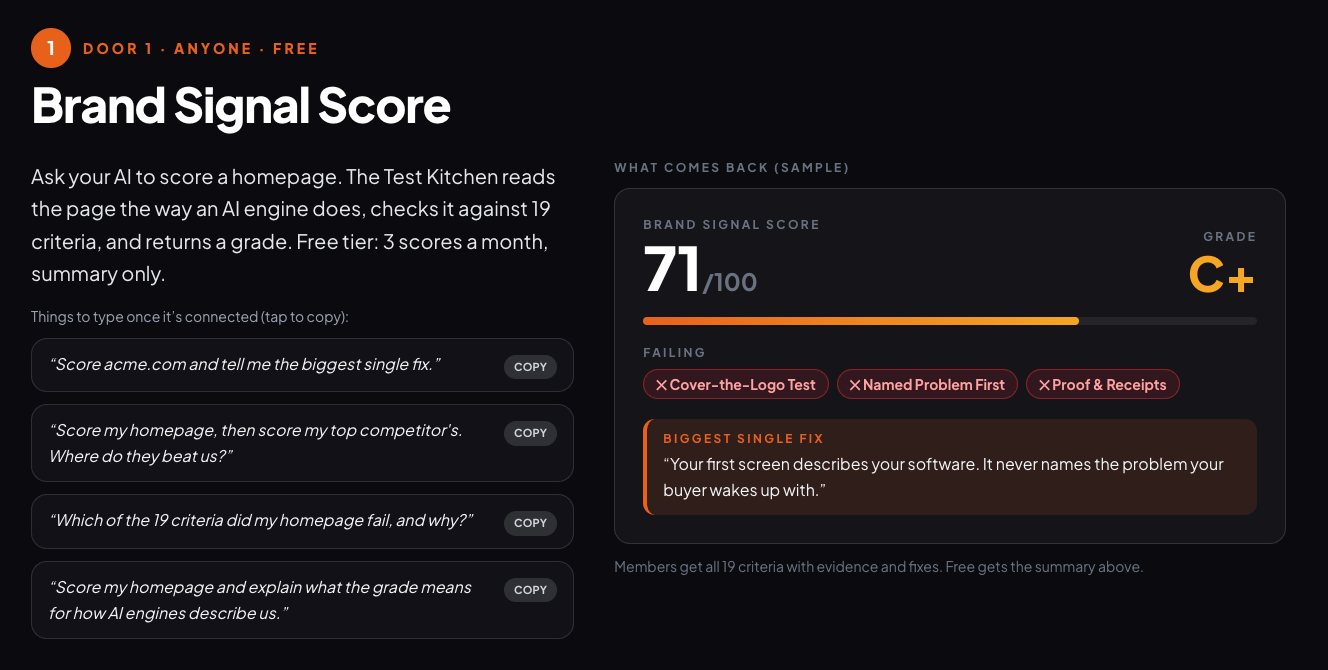
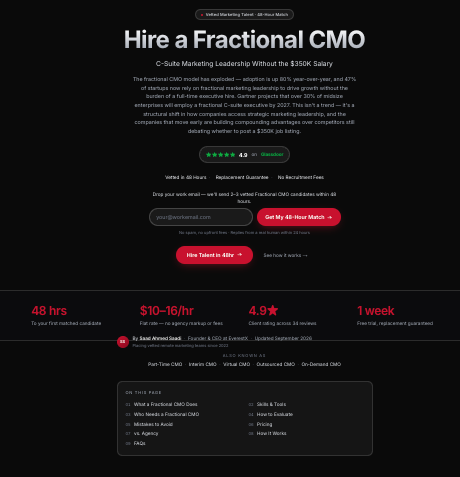
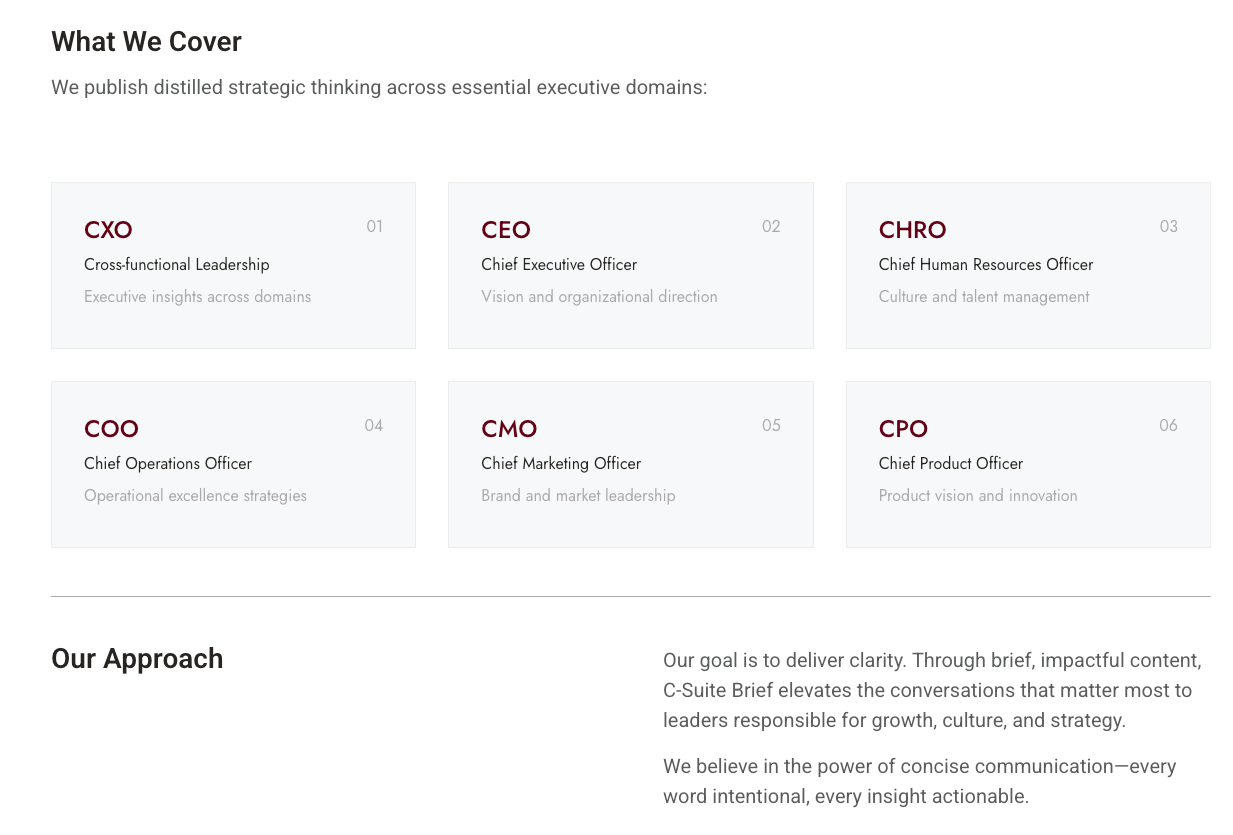
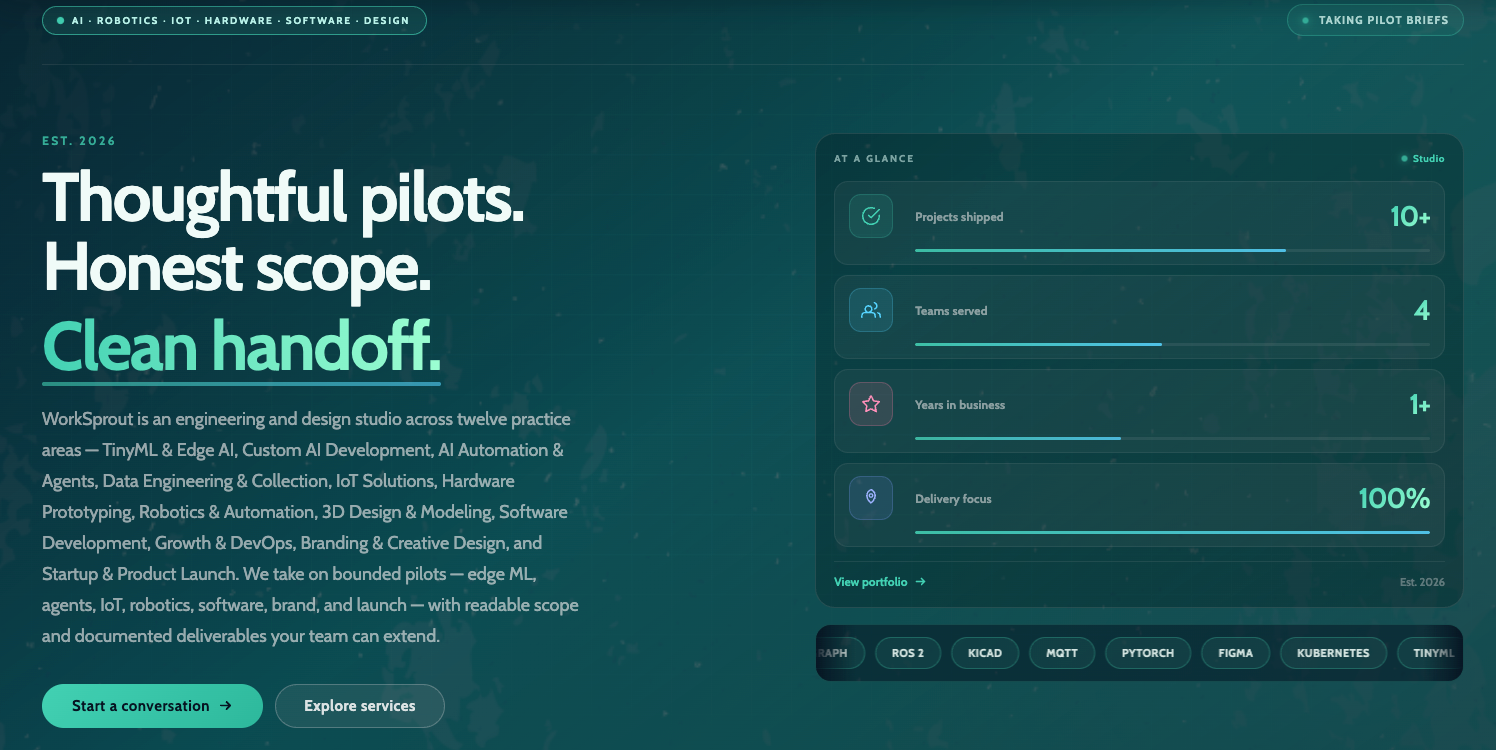
The second rule was about avoiding visual clichés. For me, AI-designed sites are easy to spot: they almost always default to serif headings paired with mono eyebrows, or serif and sans serif together in the same level of text, heavy box shadows, and generic gradients. Also, brown, tan and orange colors everywhere. It took me a while to put my finger exactly on what was so obvious to me, so the design process really continued through the build phase even as I tweaked and adjusted on the fly, making the design mine - a true brand differentiator and a site that would hopefully speak to my audience.
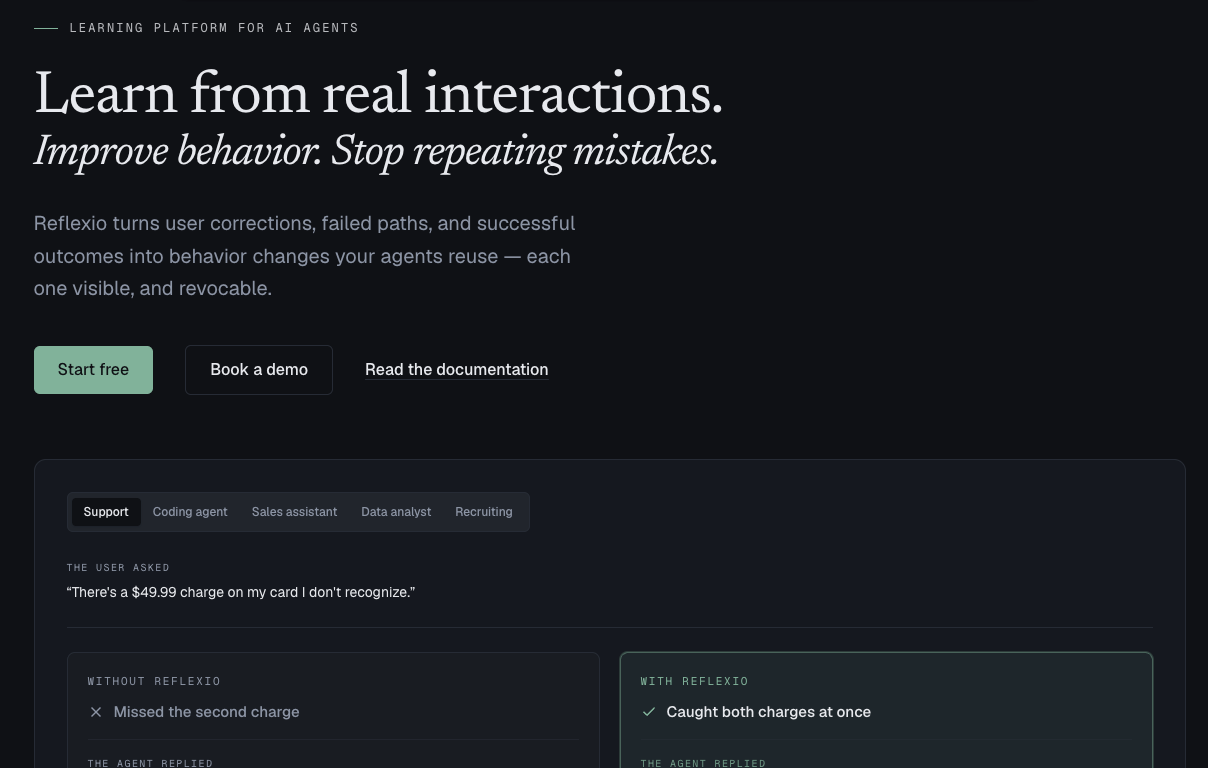
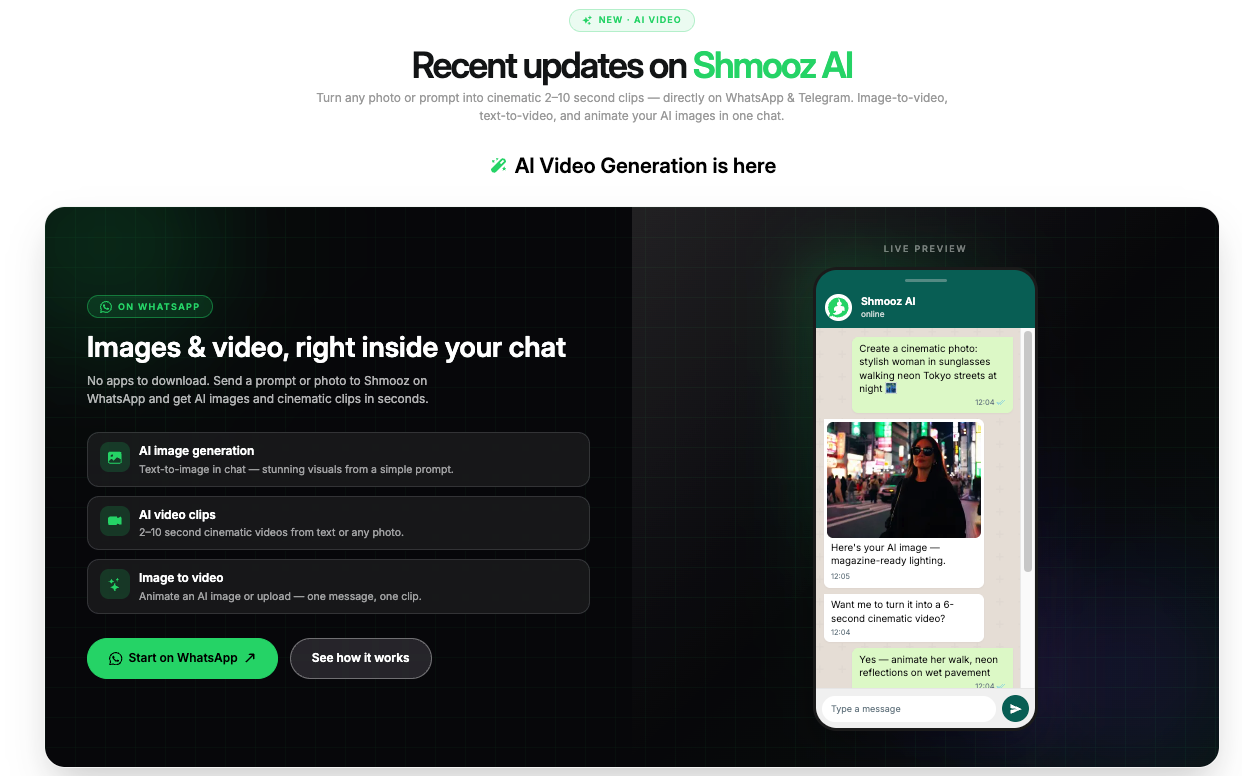
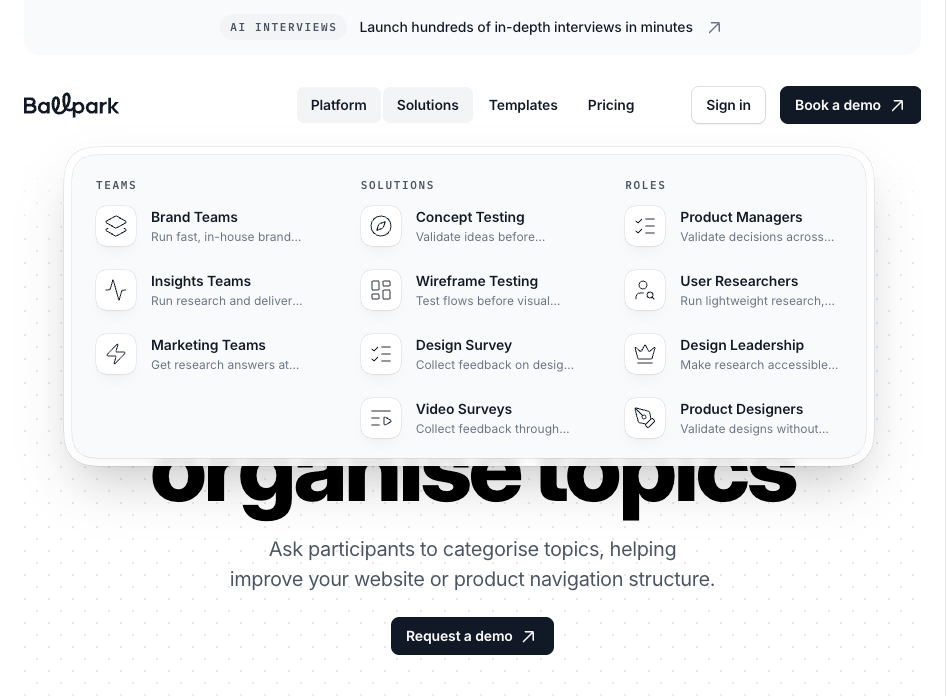
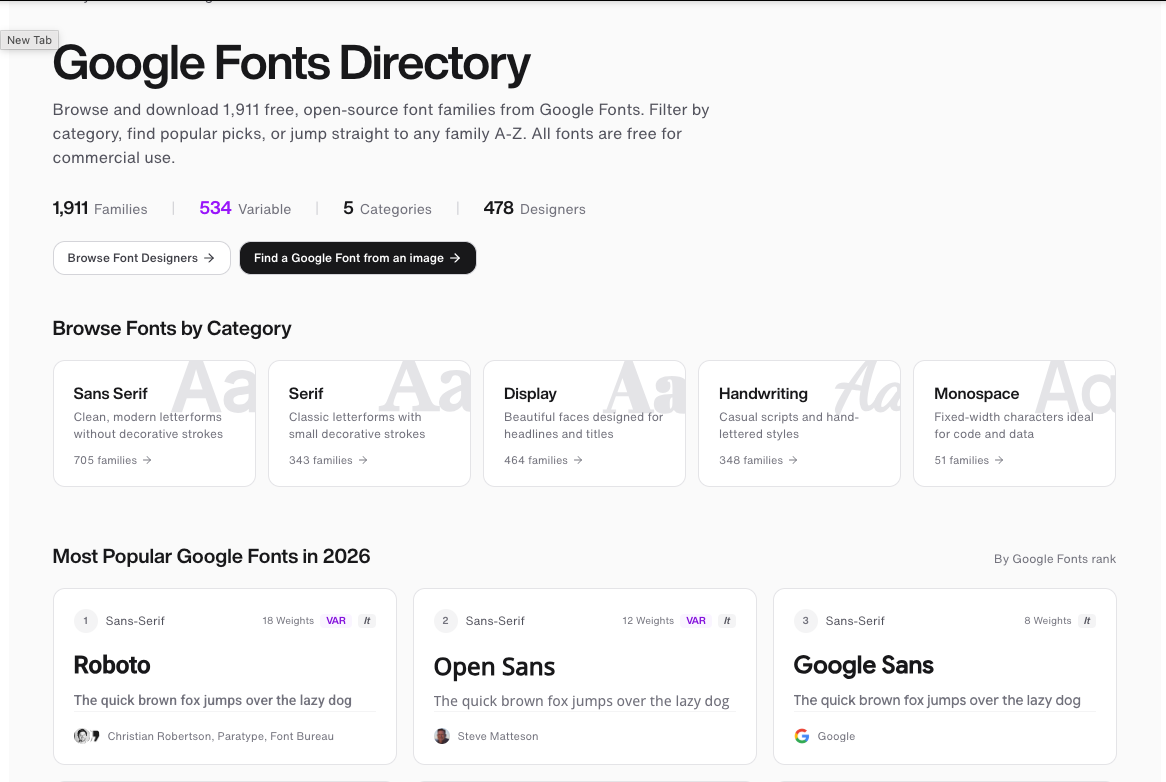
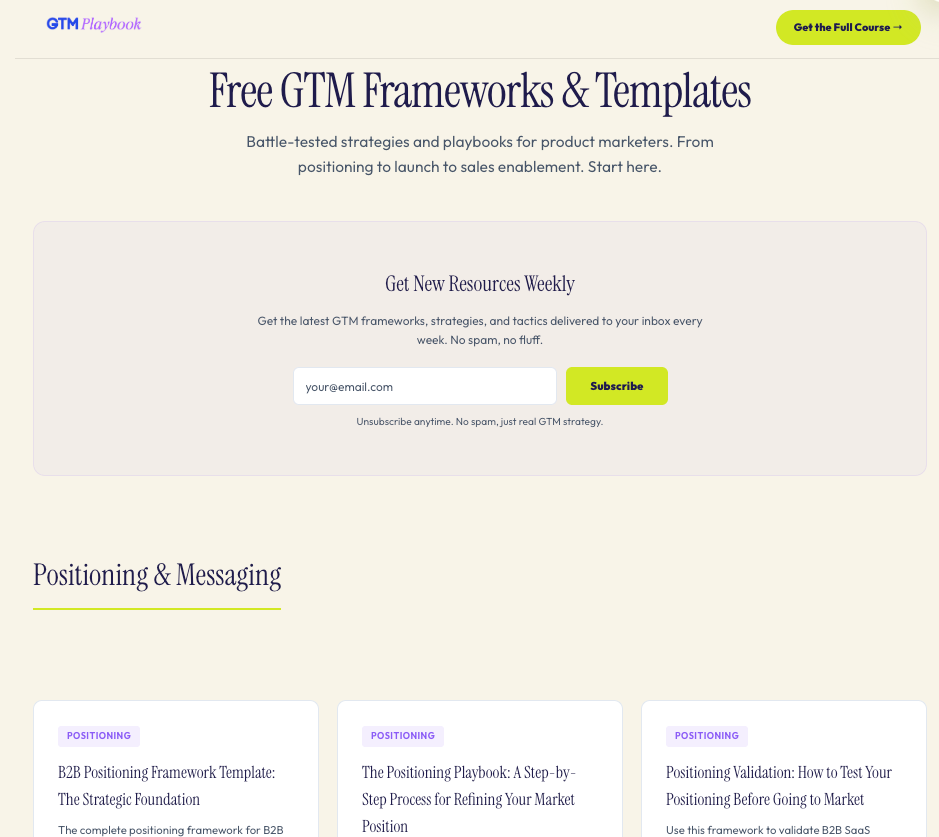
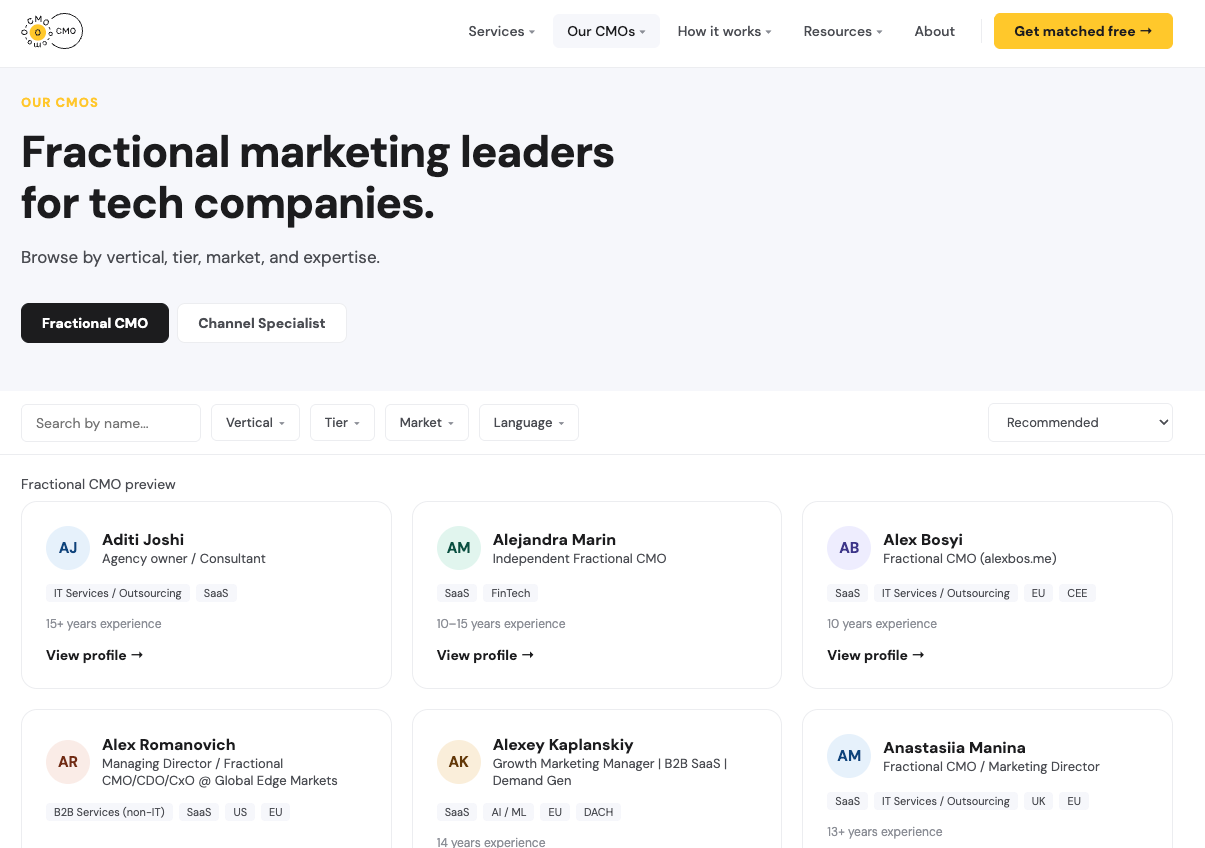
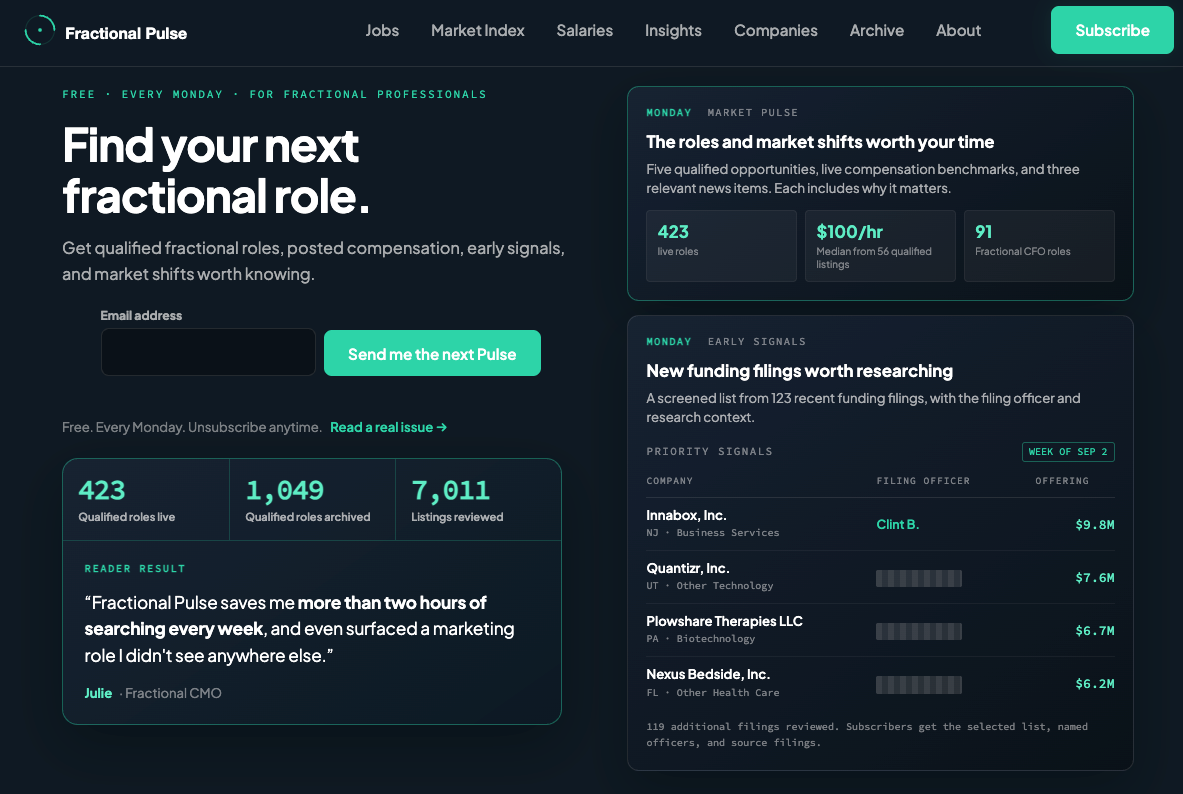
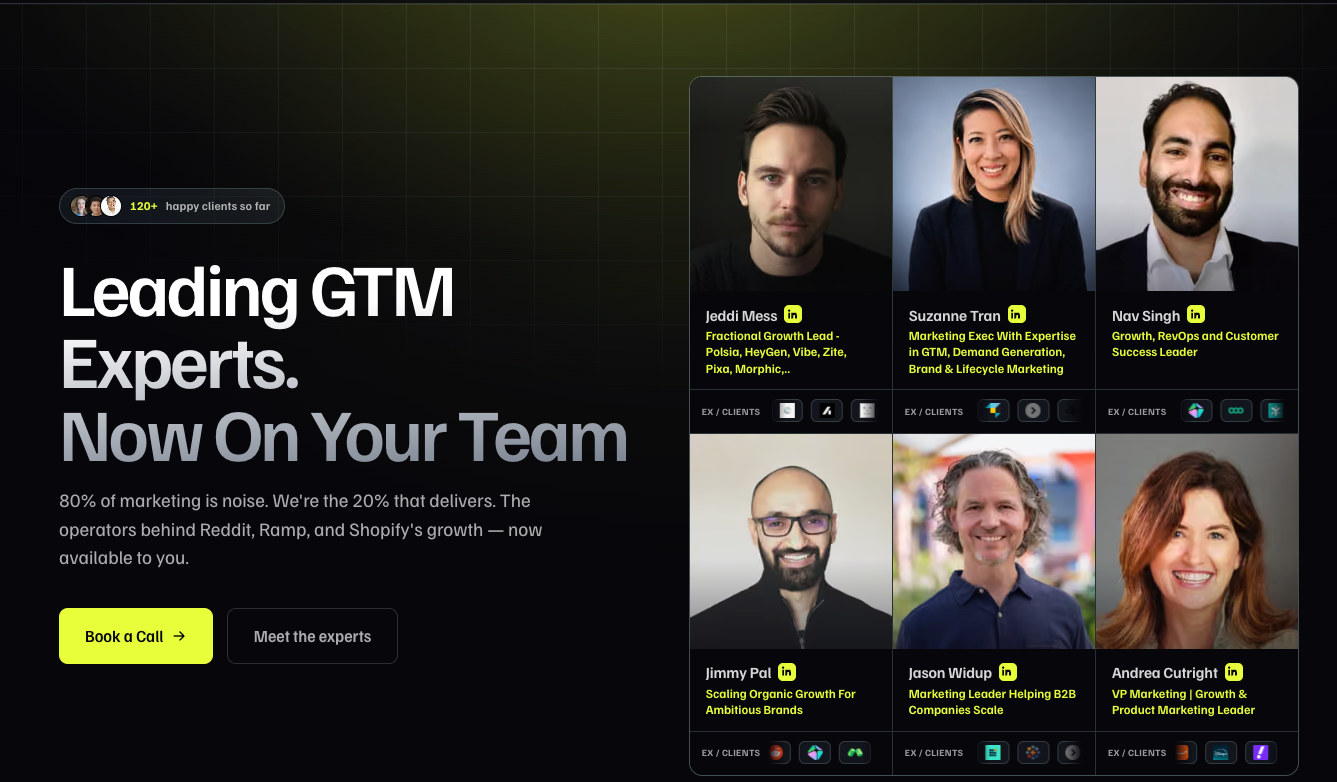
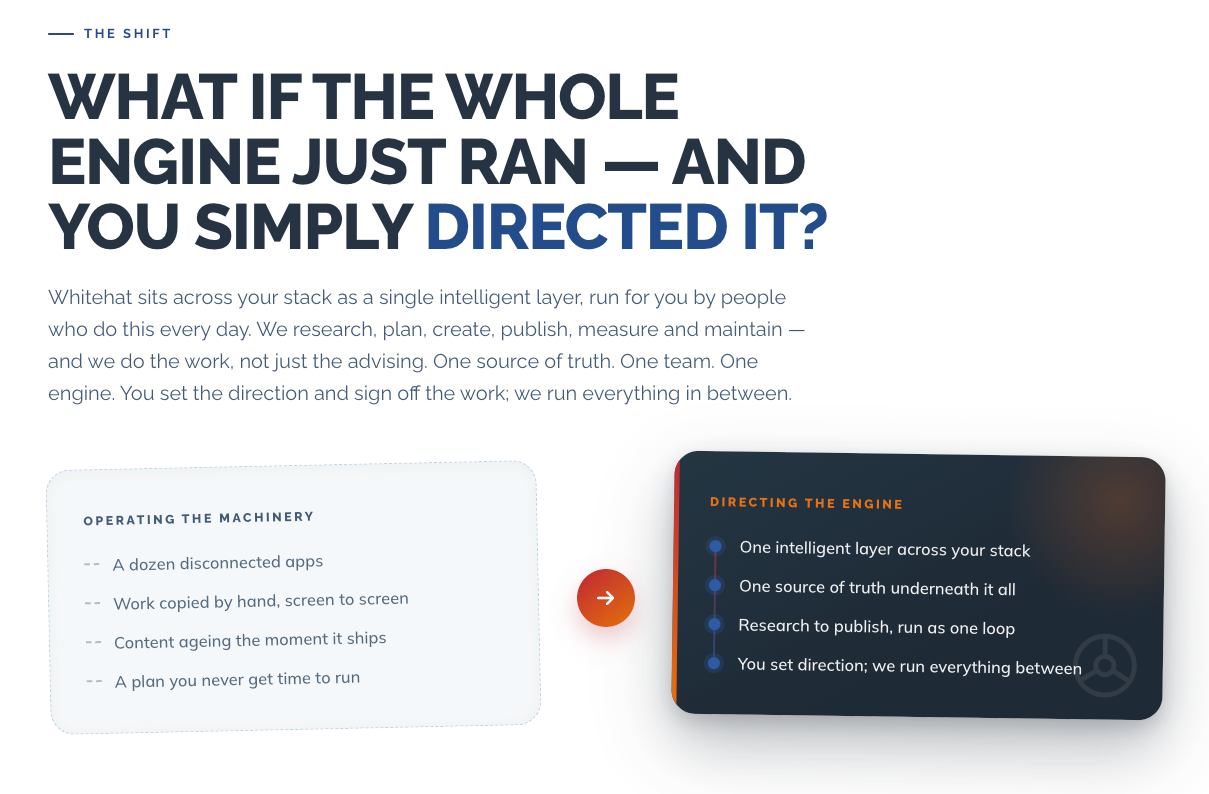
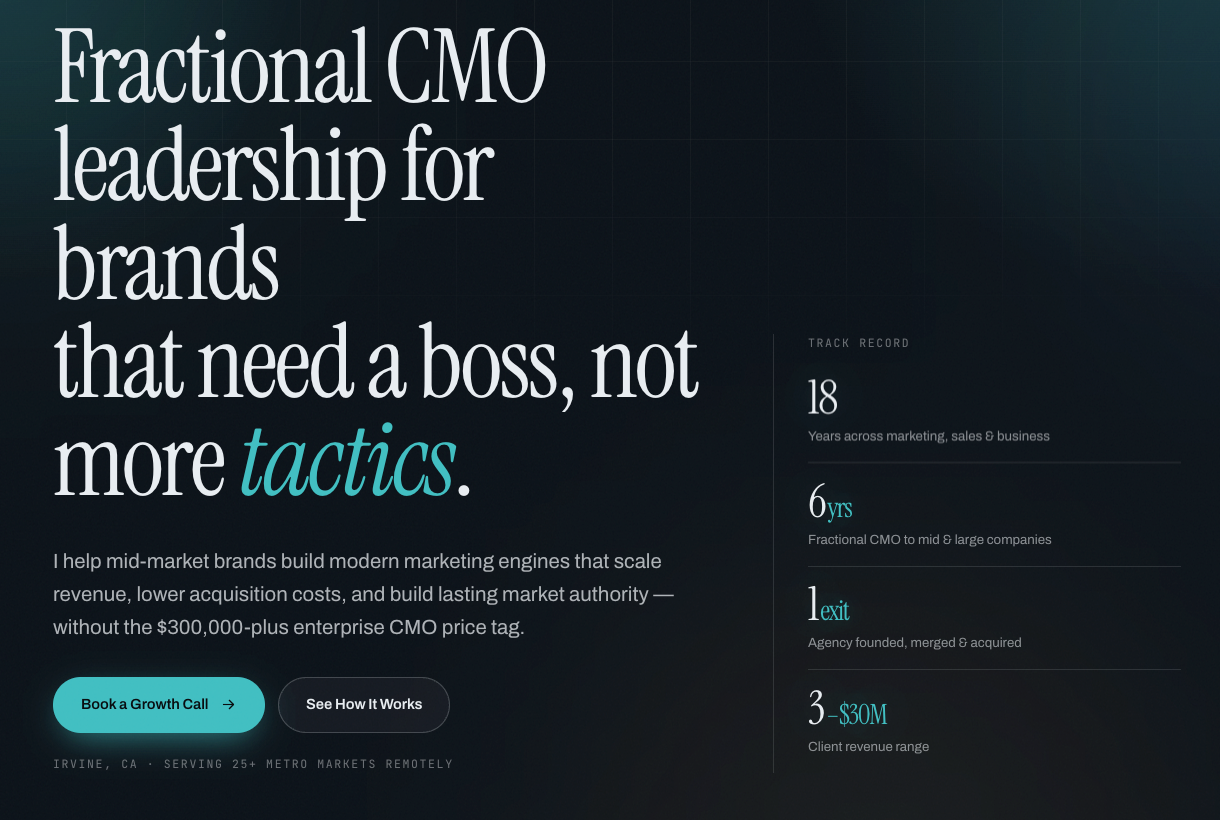
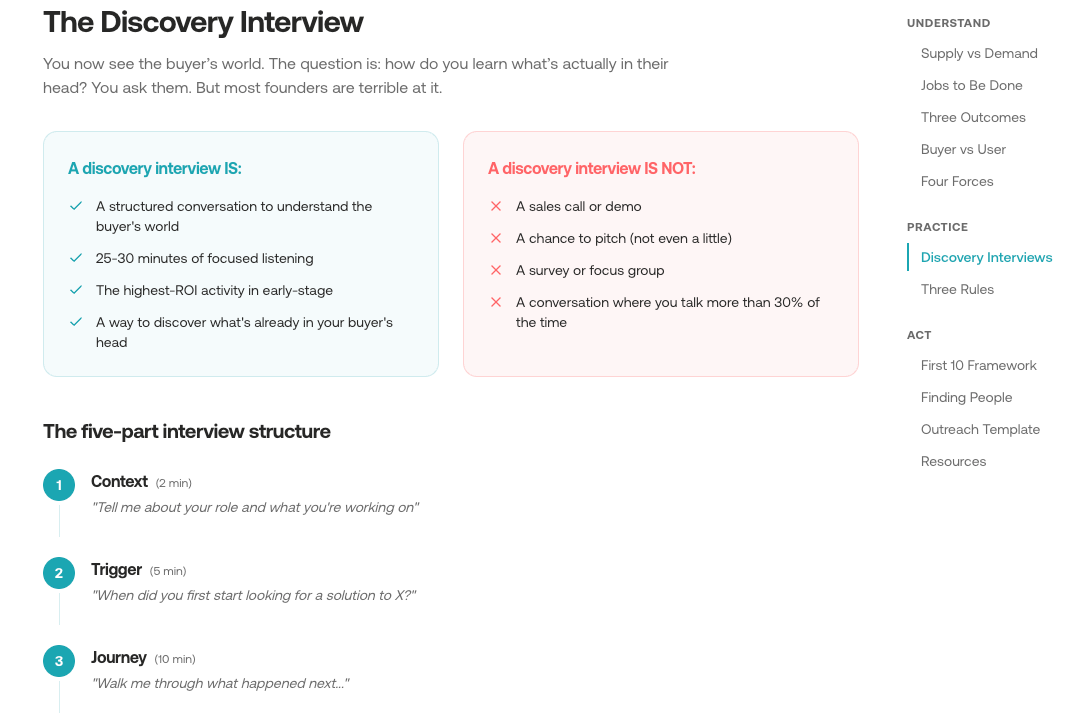
Avoiding that look required strict visual discipline:
- Typographic restraint: Standardizing on a single workhorse font and restricting an accent serif. That serif was hugely important to me - it was a design decision I had made with my original site and I wanted to use it, but with the advent of AI serif started showing up everywhere so I had to keep my serif unique to my brand.
- Surface contrast over visual clutter: Stripping out artificial cookie-cutter tropes in favor of clean surface contrast and a deliberate, creative color scheme.
- Keeping AI agents on a leash: Since positioning evolved live during coding, builder agents were explicitly instructed to prioritize current code over older strategy briefs or early handoffs, stopping retired ideas from sneaking back into drafts.
Design wasn't about adding visual flare. It was about building guardrails so moving fast wouldn't dilute authenticity or introduce new template slop.
Platforms and more platforms
When I finished the first (and what I naively hoped was the only) round, Design recommended I use Astro. Code agreed.
We started there, but Astro quickly proved insufficient for what I actually had in store for the site. Next came a run with Framer, which was dropped after implementing 30% and then discovering the monthly pricing was double (!!!) the annual rate and I wasn't ready to commit yet (note to Framer—that's kind of pulling the wool over the eyes of your primary assets: the users who drive businesses to make a deal). Finally, I landed on Webflow, where the design and execution momentum clicked, the price was right (more fair, actually, than any other I've seen), and ironically, I signed up for an annual sub.
Because the goal was to move fast, just like I'd already done with positioning and messaging, I let Claude take the wheel on initial layout and code. That meant continually adjusting positioning on the fly to correct out-of-the-box decisions coming from Claude and Claude Design. Moving at that speed requires constant human-in-the-loop recalibration to ensure default outputs don't pull the core brand off-course.
I must emphasize: this rapid cycle of tool-hopping and real-time strategy adjustment shows how AI tools accelerate production, but it also highlights the exact limits of that workflow. Taking those risks and course-correcting strategy mid-build to that extreme level of flexibility is something that only works when running a solo project. In a company or team environment, critical positioning and architectural decisions need to be signed off in advance to keep teams aligned and avoid costly rebuilds. At the same time, teams shouldn't be so rigid that they skip mid-work strategy check-ins.
Managing AI as a strategic sounding board
Acceleration requires tools, but directional control requires human judgment at every step.
When you work from home or operate as an independent strategist, one of the biggest challenges is the lack of immediate peers to bounce ideas off of. There's no adjacent desk to turn to when you need to pressure-test an angle or talk through a structural roadblock.
In this context, Claude really was critical for me as an interactive sounding board. It wasn't about delegating the strategy, nor about trusting every piece of information it gave me, but about having a responsive counterweight to talk through information architecture, stress-test messaging variations, and surface implicit assumptions.
Navigating multi-agent setups and long build sessions simply required standard workflow hygiene:
- Managing Reference Files: Early on, when shifting strategy from an older draft ("buyable technology") to updated GTM messaging, keeping legacy briefs in the active workspace caused workspace agents to query which version was authoritative. Keeping workspace files strictly updated solved this.
- Guarding Style Rules: During prompt updates, agents would occasionally adjust formatting or tone rules. Reviewing diffs regularly kept tone constraints intact.
- Maintaining Context Clarity: Long conversation threads can lead to context drift over time. Pinning clear markdown artifacts ensured every tool in the stack stayed aligned with the same baseline rules, as did starting forked convos and sometimes entirely new and separate conversations periodically.
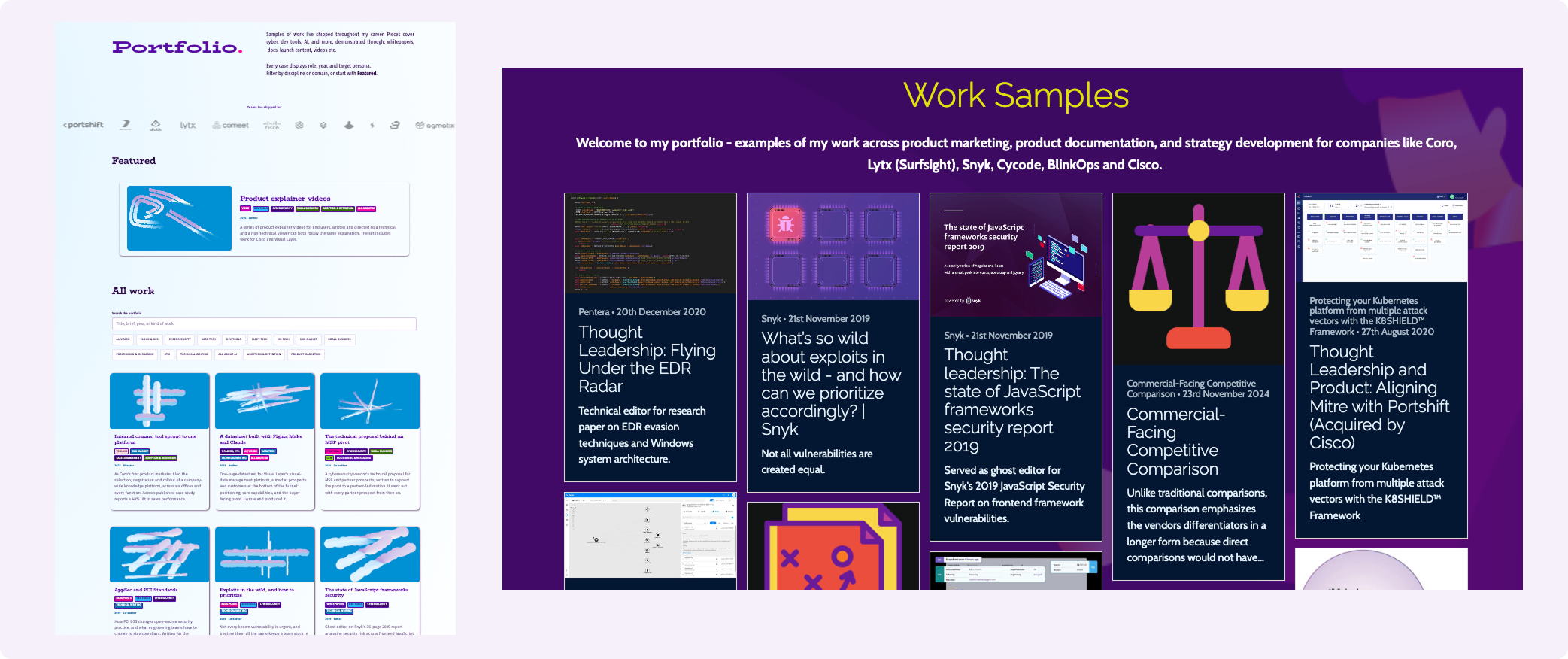
The key rules of this new game
The operational steps of building a site with modern software tools reinforce core marketing fundamentals:
- Humans own critical thinking and decision making. Software accelerates drafting, mapping, and development. Positioning boundaries, final edits, and strategic decisions remain strictly human responsibilities.
- Authenticity is critical. Non-negotiable values, working quirks, and real-world practitioner stances create clear separation from generic corporate prose.
- Solo agility can't work inside enterprise teams. Iterating strategy mid-code works when operating independently. Enterprise teams need locked strategy up front, balanced with intentional human-in-the-loop check-ins during execution.
What I learned about me
While the operational rules above are principles I already understood in theory, the actual experience shifted my perspective critically:
The strategist role
Executing this project brought clarity to my perspective on marketing roles. It proved to me that human strategic direction is the core asset. Job seekers in this market must treat strategic clarity as their primary tool. Automation handles tactical drafting and structural assembly. But LLMs don't think out of the box. They reach for the most likely response and put it on the table. That's helpful when soundboarding. But you must bring your own ideas to the table as well if you really want to get help from Claude ultimately. Critical thinking and decision-making remains exclusively human work.
The psychological boost
Processing transcripts, leadership feedback, and Notion logs into a career dataset proved surprisingly empowering. Navigating job search downtime in a brutal market can erode confidence. Sitting down with evidence of past impact, honest peer assessments, and real working history provides a legitimate ego boost when you need it most.
The saturated market parallel
Positioning an individual practitioner closely mirrors competing in crowded tech categories like cybersecurity. In mature sectors, multiple companies offer nearly identical feature sets while phrasing their value slightly differently.
When core offerings overlap, differentiation moves to how you package your tiers, and how you handle sales, customer success, internal workflows, and human interaction across the entire lifecycle. It matters.