Coro is a modular cybersecurity platform for small and mid-sized businesses. When I arrived as Director of Product & Corporate Marketing, it was a Series C company with no content in any of the areas that demonstrate leadership, credibility or expertise.
The challenge: no proof, in a category that demands it
Security buyers take nothing on a vendor's word. They justify purchases with research, benchmarks and analyst reports, and a Series C company with none of that reads as new. Our buyer was a small business with one overworked IT person.
The solution: build it on our own data
We built it on a survey Coro commissioned and paid for, the 2024 SME Security Workload Impact Report. IT professionals in this segment were spending around five hours a day on monitoring, endpoint agent management and patching, and running an average of 11.55 tools in their security stack. 73% admitted they'd missed, ignored or failed to act on a critical alert. 85% planned to consolidate their stack within the year.
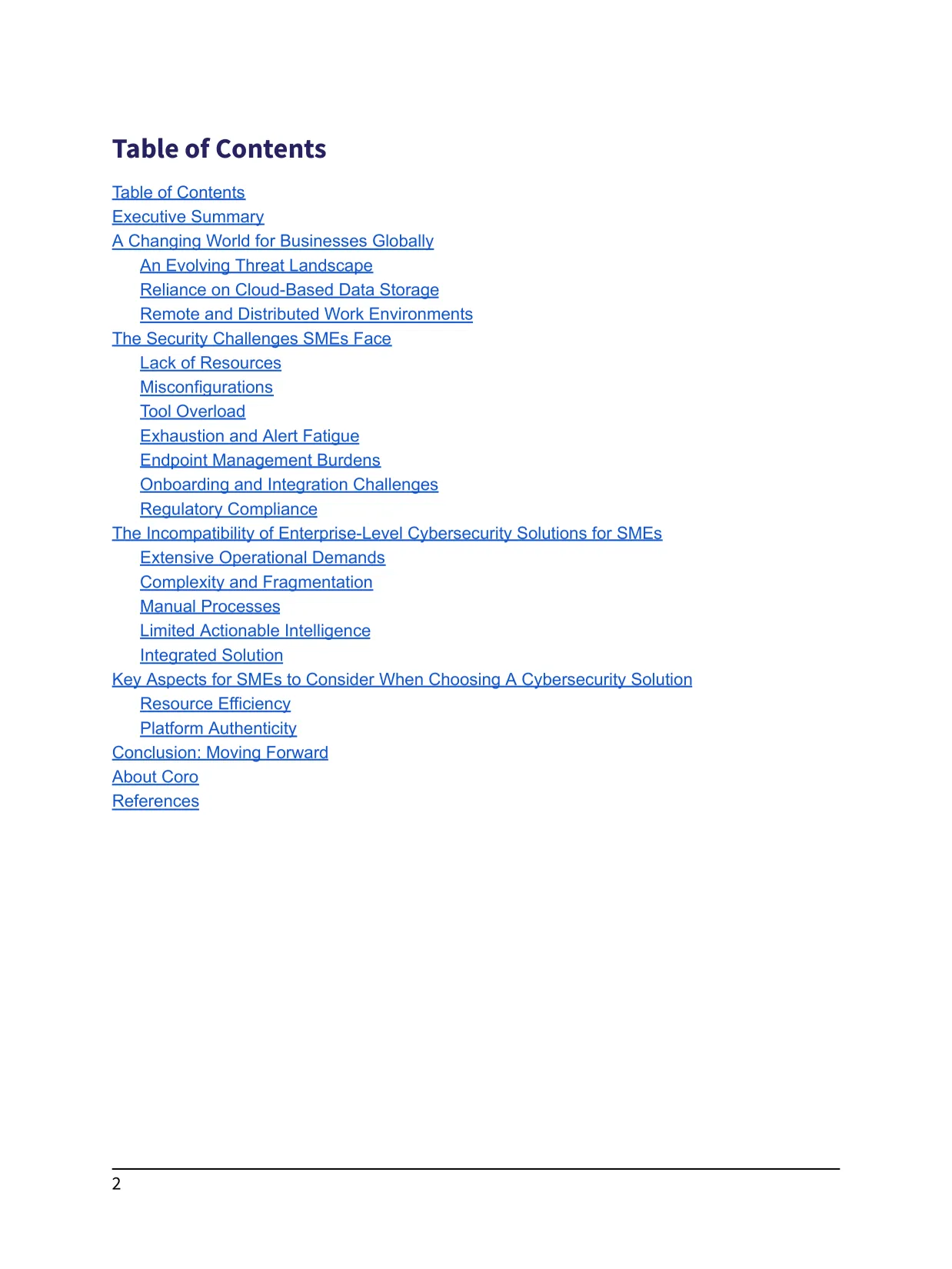
Those numbers are the argument. In Understanding the SME Security Workload Crisis in a Changing World, we turned them into a description of a lean IT team's actual job, then made the case for consolidation.
The campaign it belonged to
We anchored our Cybersecurity Awareness Month campaign on it, alongside webinars, social and a run of blog posts. The CrowdStrike pieces from that summer, which have their own entry here, went into the campaign too, though we'd begun them as a response to an unfolding news event.
How it was made
I commissioned the paper and set the brief. Anat Leonor Richter wrote it, and we worked it over between us at length. I edited and approved it. It was the company's first whitepaper, and it later went out through the partner portal as an asset partners could use in their own conversations, with no Coro salesperson present.
Why
I don't make a positioning claim I can't defend with documented evidence. We paid for the survey. We needed the numbers to be ours.